
PM Modi Visit in Gujarat on 31 March 2026: “Ambaji Group Water Supply Scheme” Bhumi Poojan Event
Introduction
Narendra Modi is scheduled to visit Gujarat on March 31, 2026, for a one-day tour aimed at boosting infrastructure and development initiatives in the region. During this visit, the Prime Minister will participate in several important events, including the foundation-laying ceremony (Bhumi Poojan) of the Ambaji Group Water Supply Scheme in the Ambaji area of Banaskantha district. This visit holds significant importance for northern Gujarat, especially for rural and tribal regions that have long faced challenges related to drinking water availability and infrastructure development.

Focus on Development in North Gujarat
The visit of Prime Minister Narendra Modi is expected to accelerate development activities in northern parts of Gujarat. The government has planned multiple projects that aim to improve infrastructure, water supply, and living standards in remote areas.
One of the key highlights of this visit is the launch of the Ambaji Group Water Supply Scheme, designed to provide a long-term solution to water scarcity issues. This project will particularly benefit residents living in hilly and remote areas where access to clean drinking water has been a persistent challenge.
Ambaji Group Water Supply Scheme: A Major Initiative
The Ambaji Group Water Supply Scheme is a large-scale project intended to deliver a reliable and continuous water supply to multiple villages and towns in the region.
Under this scheme:
- Around 141 crore rupees will be invested in developing water infrastructure.
- The project will directly benefit 34 villages in the Danta and Amirgadh talukas.
- It will ensure access to clean drinking water for approximately 78,000 people.
This initiative is particularly important because many of these villages are located in difficult terrains where groundwater availability is limited and traditional water sources are unreliable.
Addressing Long-Standing Water Issues
For years, residents of these areas have struggled with water shortages, especially during summer months. Many communities rely on seasonal water sources, tanker supply, or long-distance water collection.
The new water supply scheme aims to eliminate these issues by creating a robust and sustainable water distribution network. Once completed, it will significantly reduce the burden on local residents, especially women and children who often spend hours collecting water.
Infrastructure Development: Strengthening Water Supply Network
To support this ambitious scheme, the government has planned extensive infrastructure development, including:
- Construction of pipelines spanning over 3,300 kilometers
- Strengthening of regional water distribution systems
- Integration with existing water supply networks
This upgraded infrastructure will not only support the Ambaji scheme but also improve water supply efficiency across the broader region.
Wider Impact Across Gujarat
The benefits of this initiative are not limited to a few villages. The government’s broader water management strategy aims to expand access across the state.
Currently:
- More than 15,000 villages
- And 251 urban areas
are being connected or already receiving improved water supply through similar projects.
This demonstrates a statewide effort to ensure “Har Ghar Jal” (water in every household) and enhance the quality of life for citizens.
Importance of Ambaji Region
Ambaji Temple is one of the most important pilgrimage destinations in Gujarat. Every year, thousands of devotees visit the temple, creating a need for reliable infrastructure, including water supply.
The Ambaji Group Water Supply Scheme has been planned keeping in mind both:
- The needs of local residents
- And the growing number of pilgrims and tourists
With improved water availability, the region is expected to witness better sanitation, tourism growth, and overall economic development.
Benefits for Tribal and Rural Communities
The scheme will bring significant improvements for tribal populations and rural communities living in the region. These communities often face the most severe challenges due to limited access to basic resources.
Key benefits include:
- Regular access to safe drinking water
- Improved health and hygiene conditions
- Reduced dependency on unsafe water sources
- Enhanced quality of life
Additionally, better infrastructure can lead to new economic opportunities, including small businesses and tourism-related activities.
Government’s Vision for Water Security
The launch of the Ambaji Group Water Supply Scheme aligns with the government’s broader vision of ensuring water security across India. By investing in modern infrastructure and sustainable solutions, the government aims to address water scarcity issues in both rural and urban areas.
Prime Minister Narendra Modi has consistently emphasized the importance of water conservation and efficient management. Projects like this reflect a long-term commitment to building resilient infrastructure that can support future generations.
Bhumi Poojan Ceremony: A Symbolic Start
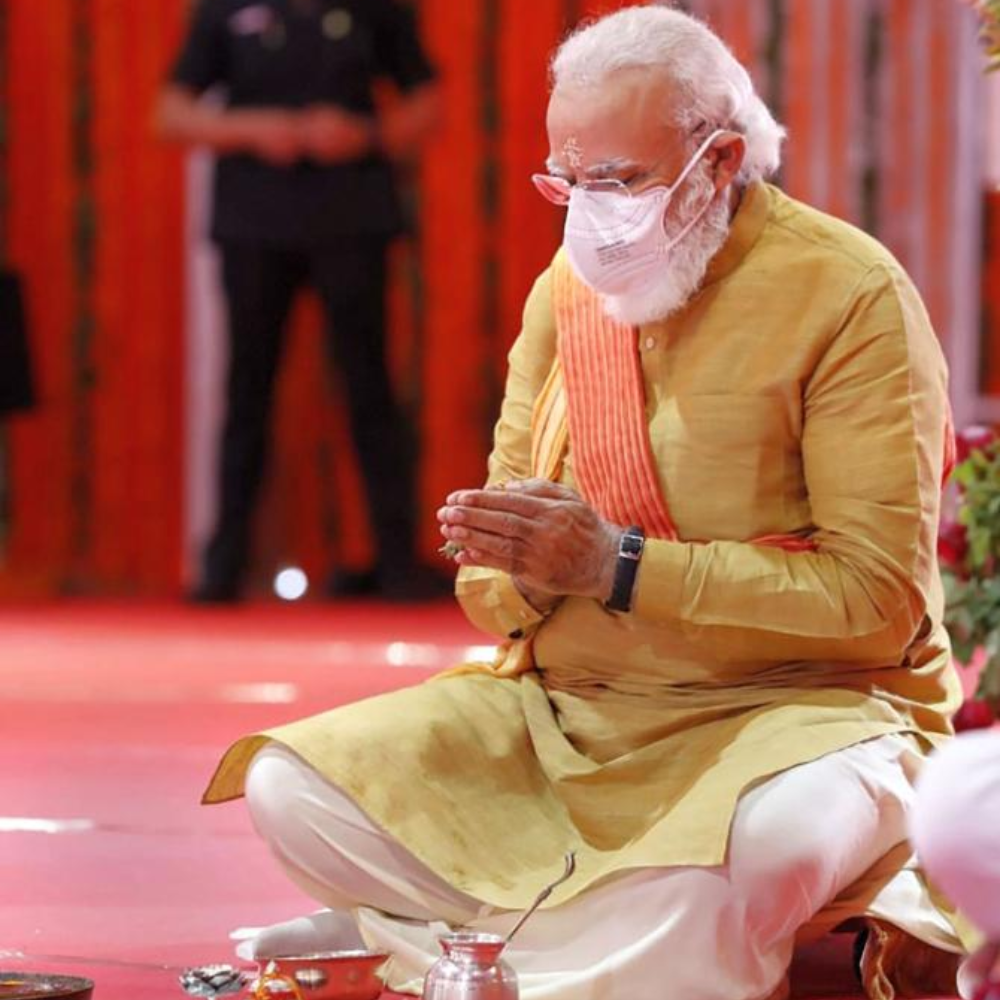
The Bhumi Poojan (foundation-laying ceremony) marks the official beginning of the project. This ceremony is not just symbolic but also represents the government’s commitment to timely execution and delivery of development projects.
During his visit, Prime Minister Modi is also expected to address public gatherings and highlight the importance of infrastructure development, water conservation, and regional growth.
Conclusion
The upcoming visit of Prime Minister Narendra Modi to Gujarat on March 31, 2026, is set to be a milestone event for the state, especially for northern Gujarat. The launch of the Ambaji Group Water Supply Scheme will play a crucial role in solving long-standing water issues and improving the lives of thousands of people.
With a strong focus on infrastructure, sustainability, and inclusive development, this initiative reflects the government’s broader mission to ensure that every citizen has access to essential resources like clean drinking water.
As Gujarat continues to grow, projects like these will lay the foundation for a more developed, resilient, and prosperous future.