
Gujarat Government to Provide 5 Liters of Kerosene to Rural Families for Cooking
Introduction
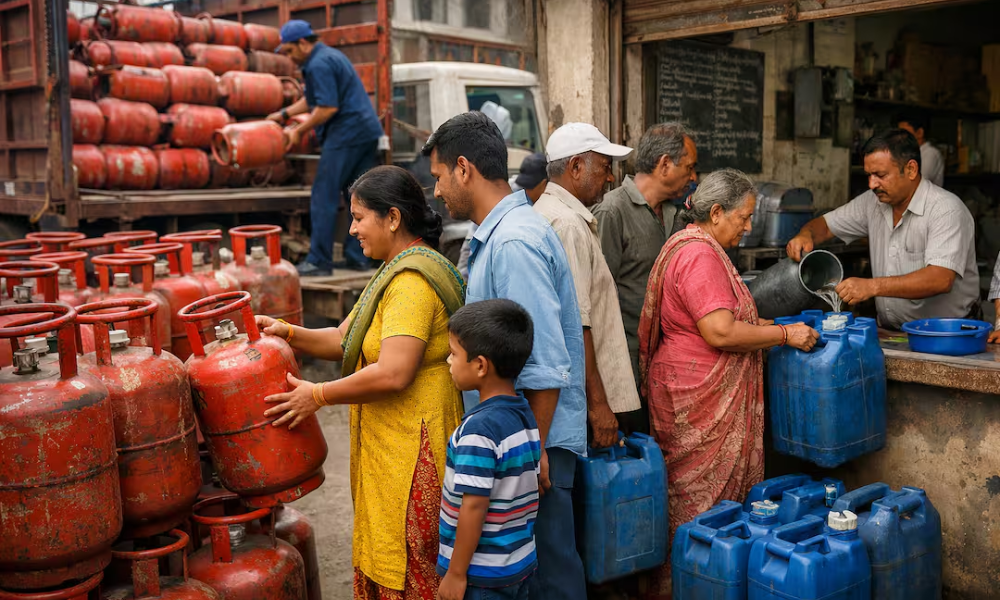
The Government of Gujarat has introduced an important welfare initiative aimed at supporting rural households by providing kerosene for cooking purposes. This step comes in response to irregular LPG supply and the challenges faced by economically weaker sections in rural areas. Under this scheme, eligible families will receive a fixed quantity of kerosene every month, ensuring that they have access to a reliable cooking fuel.
Background of the Scheme
- In many rural parts of Gujarat, LPG (liquefied petroleum gas) is not consistently available.
- Even when available, rising prices make it unaffordable for low-income households.
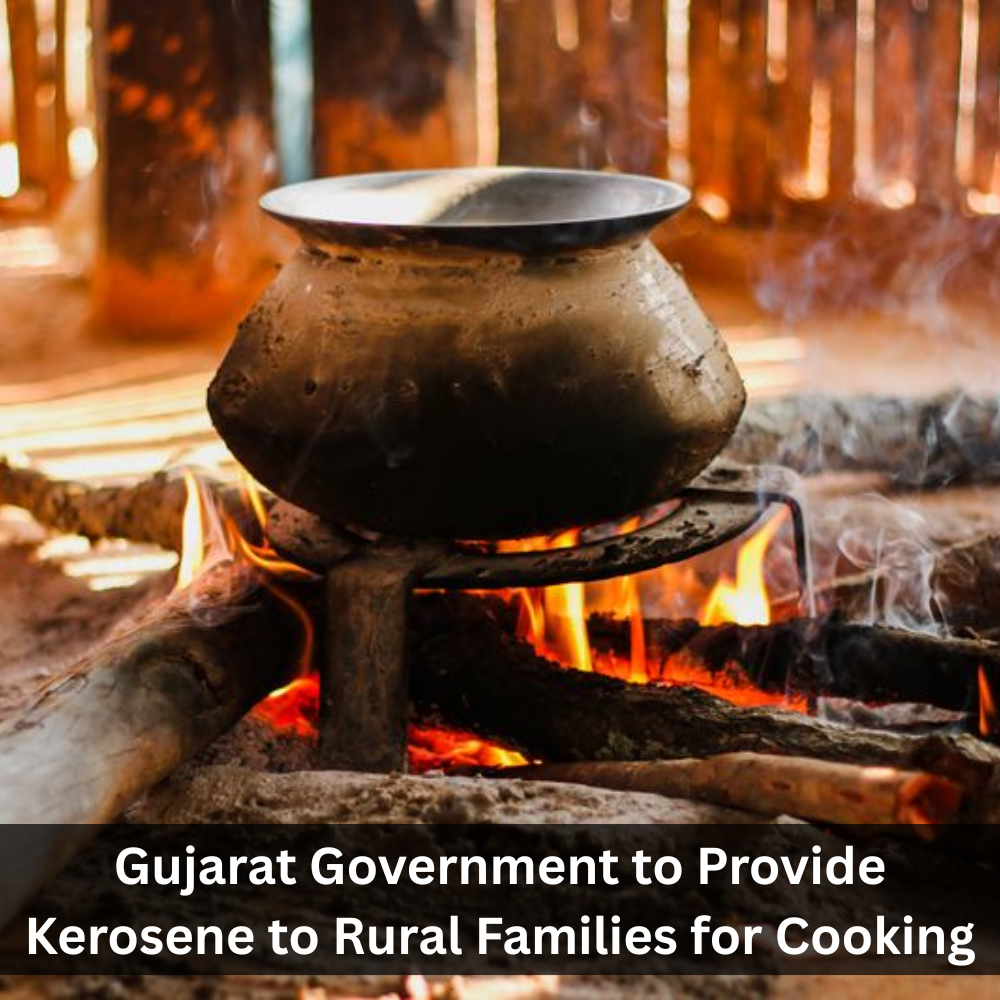
- Traditional fuels like firewood and cow dung are still widely used, which pose health and environmental risks.
- To address these concerns, the government has revived kerosene distribution as an alternative cooking fuel.
Key Features of the Scheme
1. Fixed Monthly Allocation
- Each eligible rural family will receive 5 liters of kerosene per month.
- Institutions or community organizations may receive a higher quantity (up to 25 liters).
2. Target Beneficiaries
- Rural households that do not have regular LPG access.
- Economically weaker sections and families dependent on public distribution systems (PDS).
- Remote villages where gas cylinder delivery is difficult.
3. Affordable Pricing
- The kerosene will be provided at a subsidized rate.
- Prices are expected to range approximately between ₹61 and ₹66 per liter.
- This makes it significantly cheaper than market alternatives.
Distribution Mechanism
1. Public Distribution System (PDS)
- Kerosene will be distributed through fair price shops under the PDS network.
- This ensures transparency and accessibility across villages.
2. Online Registration
- Beneficiaries are required to apply through an official government portal.
- The system helps in identifying genuine beneficiaries and avoiding misuse.
3. Supply Chain Management
- The central government allocates kerosene to the state.
- The state government distributes it to districts.
- From districts, it reaches taluka-level centers and then local ration shops.
Allocation Details
- Gujarat has been allocated approximately 14.52 lakh liters of kerosene.
- This quantity is distributed across districts based on population and need.
- The government has ensured that all districts receive sufficient supply for equitable distribution.
Reasons Behind the Initiative
1. Irregular LPG Supply
- Rural areas often face delays in LPG cylinder delivery.
- Transportation challenges worsen the situation in remote regions.
2. Rising Fuel Costs
- LPG prices have increased over time, making it difficult for poor families to afford.
3. Health Concerns
- Burning firewood produces harmful smoke.
- Kerosene, while not perfect, is relatively cleaner compared to traditional fuels.
4. Energy Accessibility
- Ensures that every household has at least one dependable source of cooking fuel.
Benefits of the Scheme
1. Improved Quality of Life
- Families can cook meals more easily and consistently.
- Reduced dependence on collecting firewood saves time and effort.
2. Women Empowerment
- Women, who are primarily responsible for cooking, benefit the most.
- Reduced exposure to smoke improves their health.
3. Environmental Impact
- Lower usage of firewood helps reduce deforestation.
- Promotes more sustainable fuel consumption practices.
4. Economic Relief
- Subsidized kerosene reduces household expenses.
- Helps families allocate money for other essential needs.
Challenges and Concerns
1. Limited Quantity
- 5 liters per month may not be sufficient for larger families.
2. Misuse and Diversion
- There is a risk of kerosene being diverted for unauthorized uses.
- Strong monitoring mechanisms are required.
3. Environmental Concerns
- Kerosene is still a fossil fuel and contributes to pollution.
- Long-term reliance is not environmentally sustainable.
4. Implementation Issues
- Delays in distribution or technical difficulties in online registration may affect beneficiaries.
Government’s Role and Responsibility
- Ensure a timely and adequate supply of kerosene.
- Maintain transparency in distribution through digital tracking.
- Conduct awareness campaigns so that eligible families can apply.
- Monitor fair-price shops to prevent corruption or black marketing.
Comparison with LPG Schemes
- LPG schemes promote cleaner fuel but depend on affordability and supply.
- Kerosene serves as a backup option where LPG fails to reach consistently.
- Both systems can work together to ensure energy security in rural areas.
Future Outlook
- The government may gradually reduce dependence on kerosene as LPG infrastructure improves.
- Renewable energy solutions like biogas and solar cooking could be promoted.
- Digital systems may further streamline distribution and reduce leakages.
Conclusion
The Gujarat government’s initiative to provide 5 liters of kerosene to rural families is a practical and timely step toward addressing fuel accessibility issues in rural areas. While LPG remains the preferred clean energy source, this scheme acts as a crucial support system for families struggling with inconsistent supply and high costs. By ensuring affordable and accessible cooking fuel, the government not only improves the daily lives of rural citizens but also addresses broader issues such as health, environmental sustainability, and economic stability. However, for long-term success, it is essential to strengthen implementation, prevent misuse, and gradually transition toward cleaner energy alternatives.