
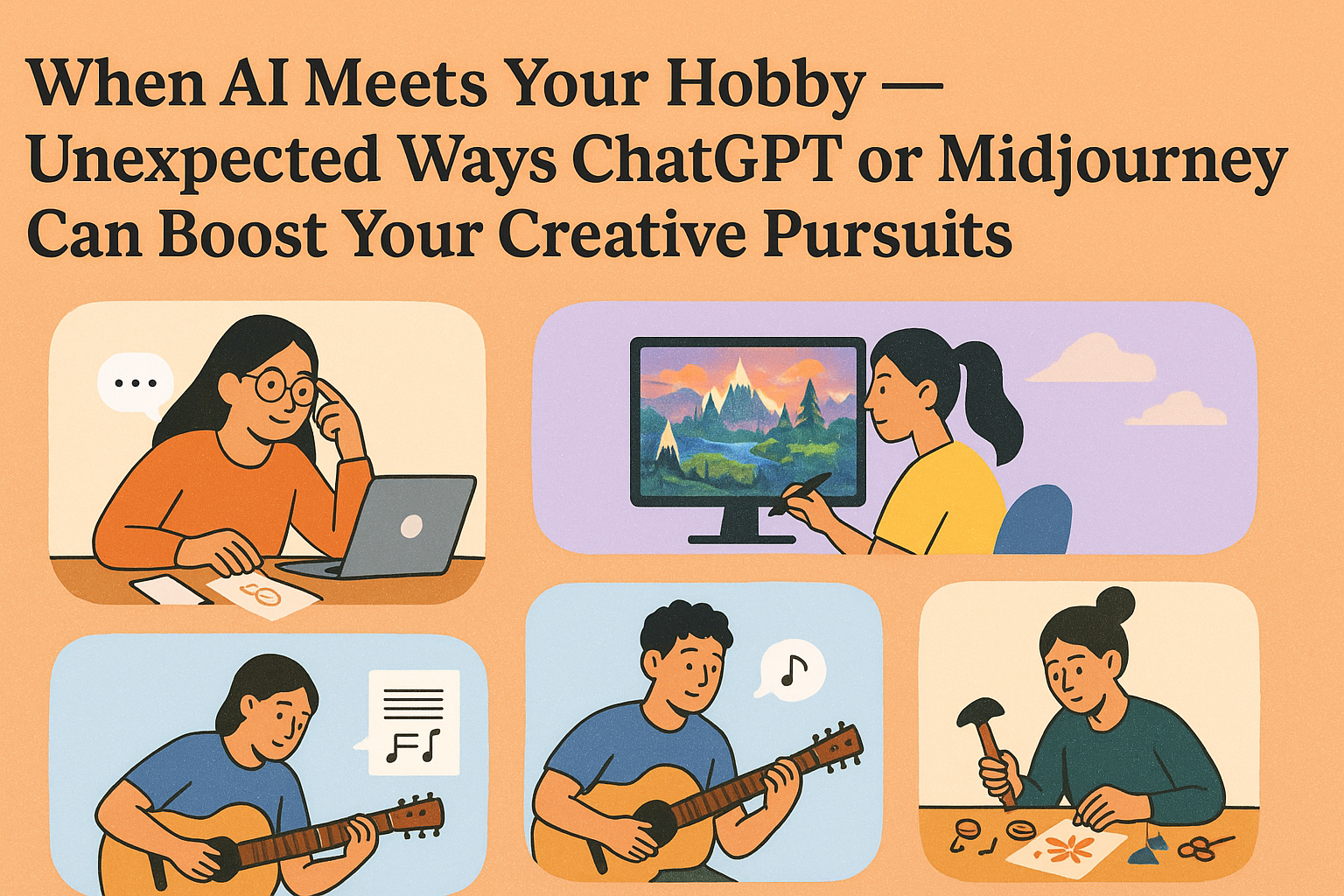
Hobbies are often thought of as being so personal to the hobbyist’s enjoyment, entertainment, relaxation, and expression. What does it mean when AI is inserted into that art/music/game/coding creative special space? You may think it is time to abandon your hobby altogether! Fortunately, applications such as ChatGPT and Midjourney are not a full replacement for our imagination; they enhance it. If the AI is not helping you brainstorm, it is visualizing, or now even writing out your ideas or fantasies. We are starting to see that the AI provides a pathway towards being the ultimate sidekick for your hobbies. Together, humans and machines are changing the way we create, play, and dream.
How to Create a “Life Dashboard” — Tracking Mood, Habits & Productivity in One Place
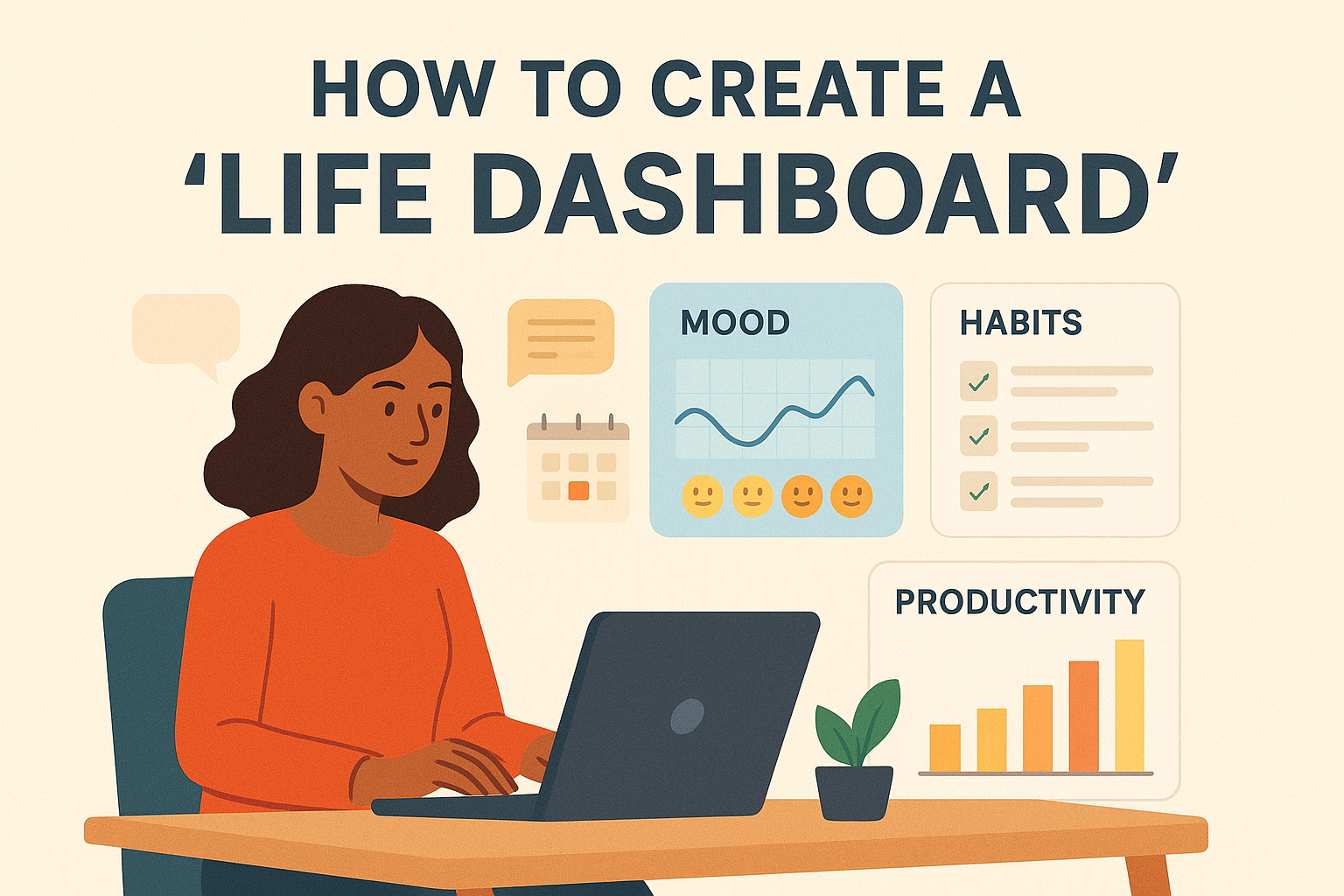
Have you ever wanted to capture your whole life in one view — your behaviour patterns, moods, and productivity — collected in one place? That is the benefit of a life dashboard. It’s like having an individual control center that assists you in seeing how you’re really doing—not just what you’re doing. With the distractions of apps and trackers, creating a singular life dashboard is the solution to unifying your status to transparency and tranquillity. The dashboard allows you to identify trends and consistency, and to create significant changes intentionally, instead of with trial and error.

ChatGPT Atlas A New AI Cyber Surfer That Changes How We Check the Web
On 21 October 2025, OpenAI officially launched ChatGPT Atlas, described as “ the cybersurfed with ChatGPT erected in ” This release marks a bold step beyond simply bedding AI features into conventional cybersurfs; it aims to revise the entire browsing experience with artificial intelligence at its core.
In this composition we explore what ChatGPT Atlas is, how it works, what makes it different, its implicit impact, and the enterprises girding this invention.
How rural India is becoming a hub for remote work: coworking cafés in unexpected towns
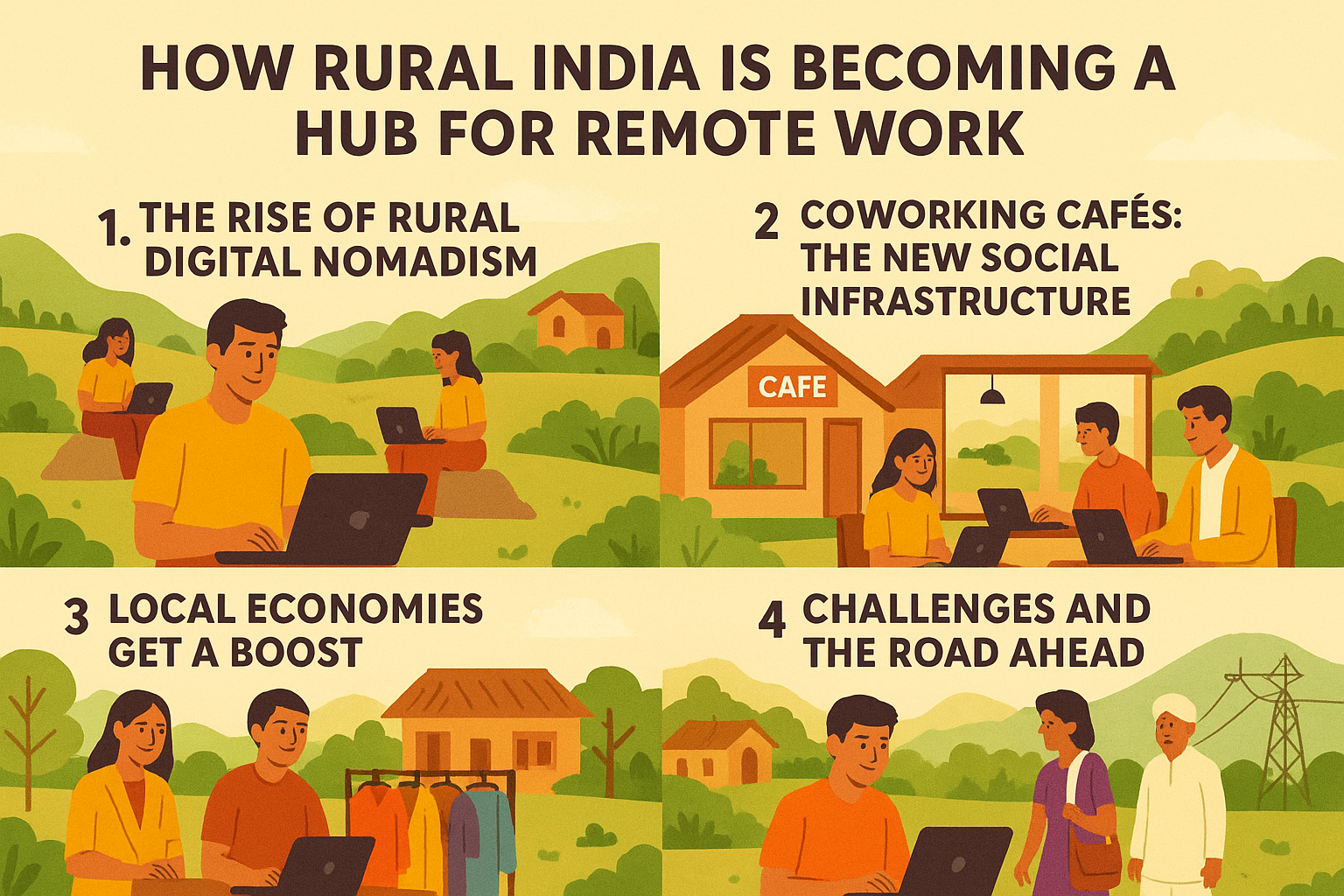
Once recognized solely for being farms and a slow lifestyle, the rural parts of India are emerging as an unexpected location for remote work. With quicker internet capability, affordable housing, and a desire for quiet space beyond the din of city life, workers are bringing their laptops into small-town coffee shops or coworking spaces. From Himachal’s hill towns to Tamil Nadu’s coast, the rural landscape is alive with digital energy, marking a silent revolution that, in effect, says work does not depend on a building that touches the sky, just good Wi-Fi and fresh air.
Augmented memory: Using AR glasses and wearables to build a digital external brain
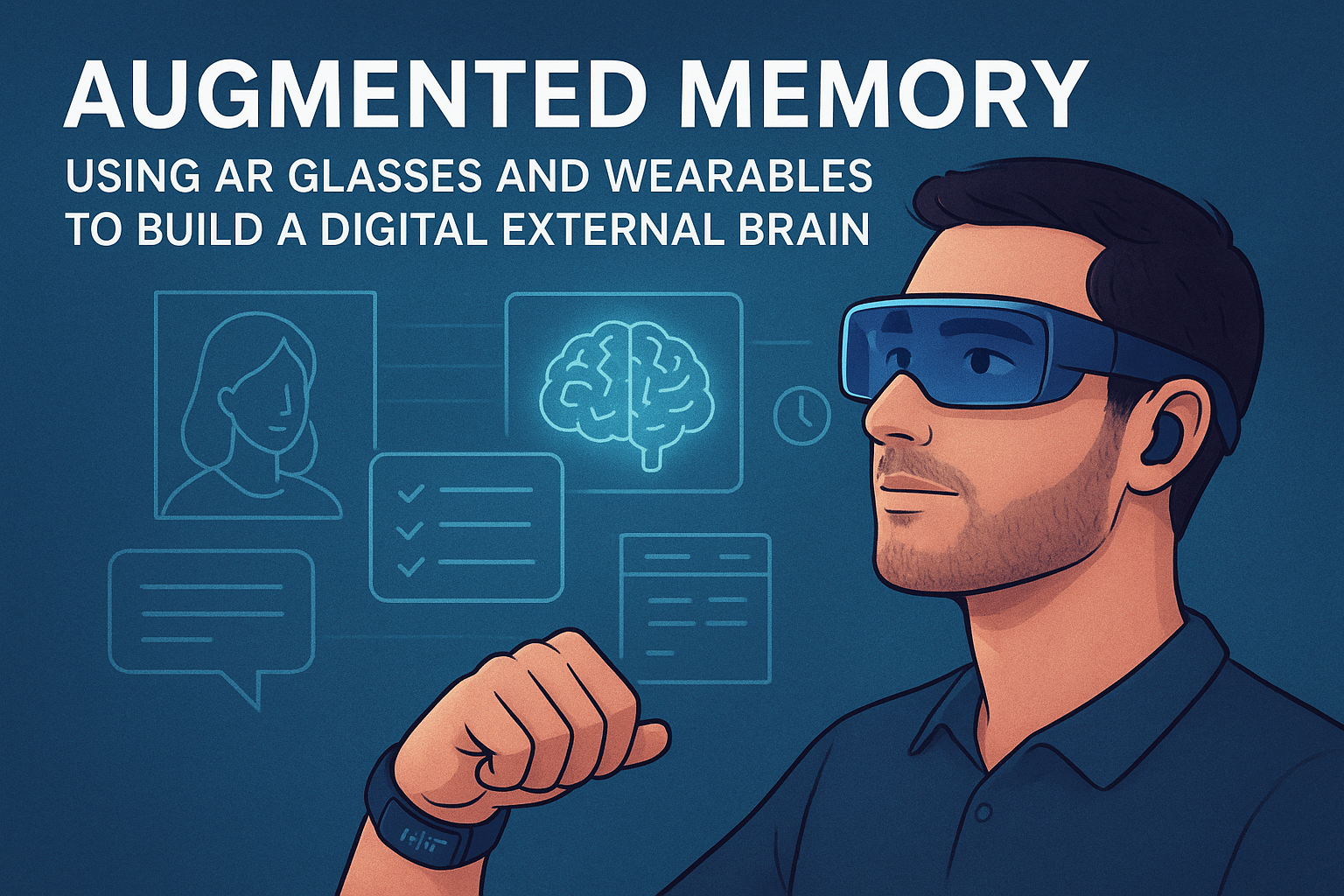
Think about it: you will never forget someone’s name, a specific fact, or where you left your keys — not because your brain became more efficient, but because technology is now remembering for you. Between augmented reality glasses and smart wearables, we are beginning to enter an era when our memories extend beyond biology. All of these devices are slowly morphing into your external memory — recording experiences, reminders, and context in real time. This is no longer science fiction — we are beginning to embrace augmented memories, and soon, your “digital brain” could be the most intelligent entity in your circle.
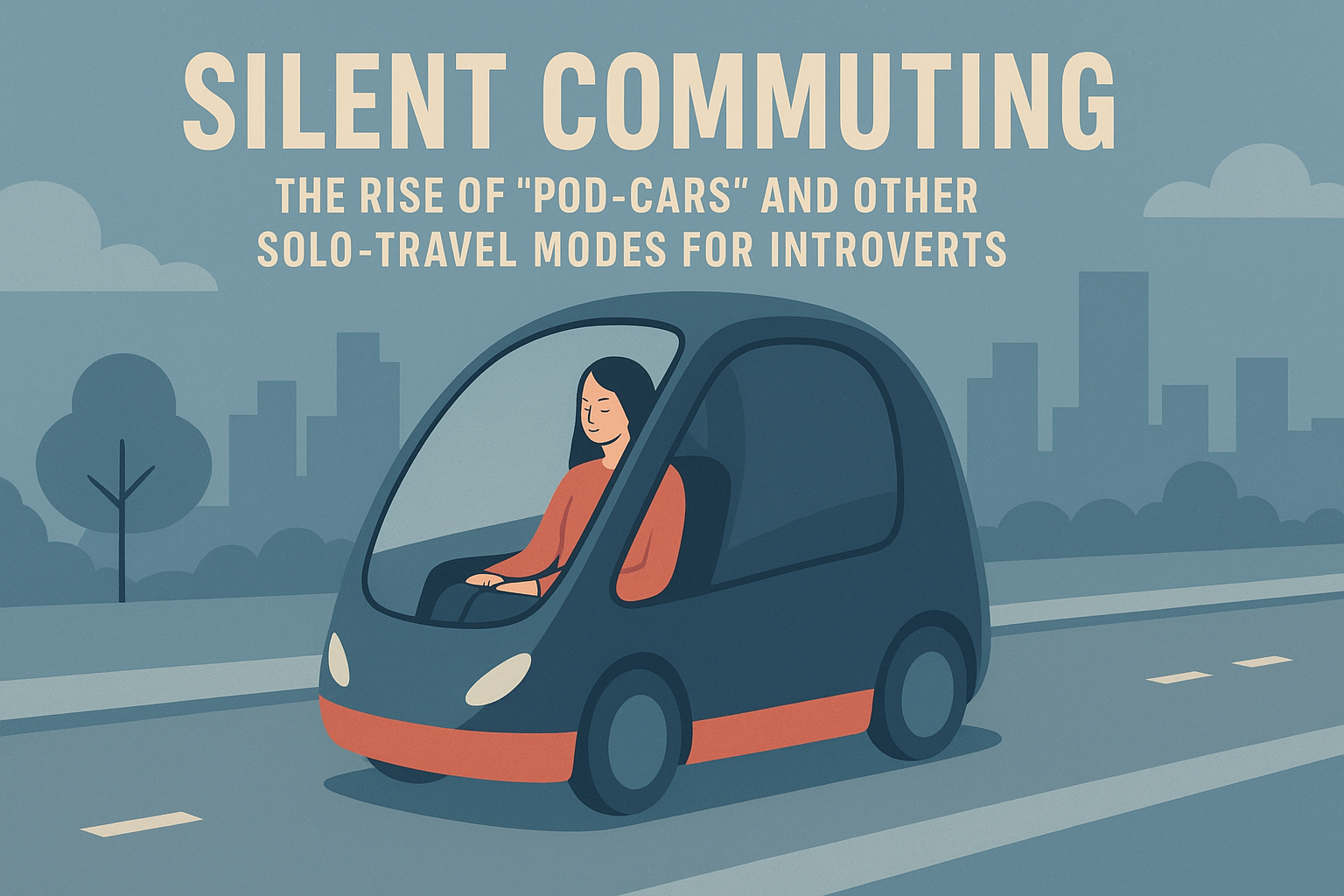
Silent transforming: The rise of “pod-cars” and other solo-travel modes for introverts
In an environment that is increasingly louder — whether on the subway during rush hour with announcements and crowded cars or simply endless notifications or messages — there is a desire for silence, even while moving. Welcome to the era of “silent commuting,” where pod-cars and different forms of independent travel are changing the way we travel from spot to stop. For many, particularly introverts, traveling alone in quiet, individualized vehicles creates a state of peace. Travel is not only convenient but is a form of calm. It’s not only travel, there’s no one talking with volume, there is no distractions, it’s simply you the road and, at least, an instant of calm in motion.
Emotional Fitness — The New Dimension of Wellbeing
In the modern world, our sense of wellbeing is not just about what we eat or how much exercise we do — it’s also about how strong and balanced we feel emotionally. Emotional fitness is the new frontier in the health and wellness of our culture, providing a way to navigate life’s highs and lows with more ease and self-understanding. It means getting in touch with how we feel, improving how we manage our feelings, and feeling grounded through period s of difficulty. In a similar way that physical exercise builds our body, emotional fitness is there to build our mind and heart — helping us to live with greater clarity, connection, and calm.

Micro-Mindfulness: Finding Calm in 30 Seconds a Day
In a rapidly changing world, finding time to slow down can seem unrealistic. However, what if calm doesn’t involve long bouts of meditation? What if only taking 30 seconds could help? Micro-mindfulness is about infusing small moments of awareness into your day-to-day life. These quick breaks — a deep breath, a brief gaze at the sky, or a mindful sip of coffee — give you a moment of refresh and reconnect. At times, it is not necessary to have hours of peace, but rather in the several seconds you devote back to you.
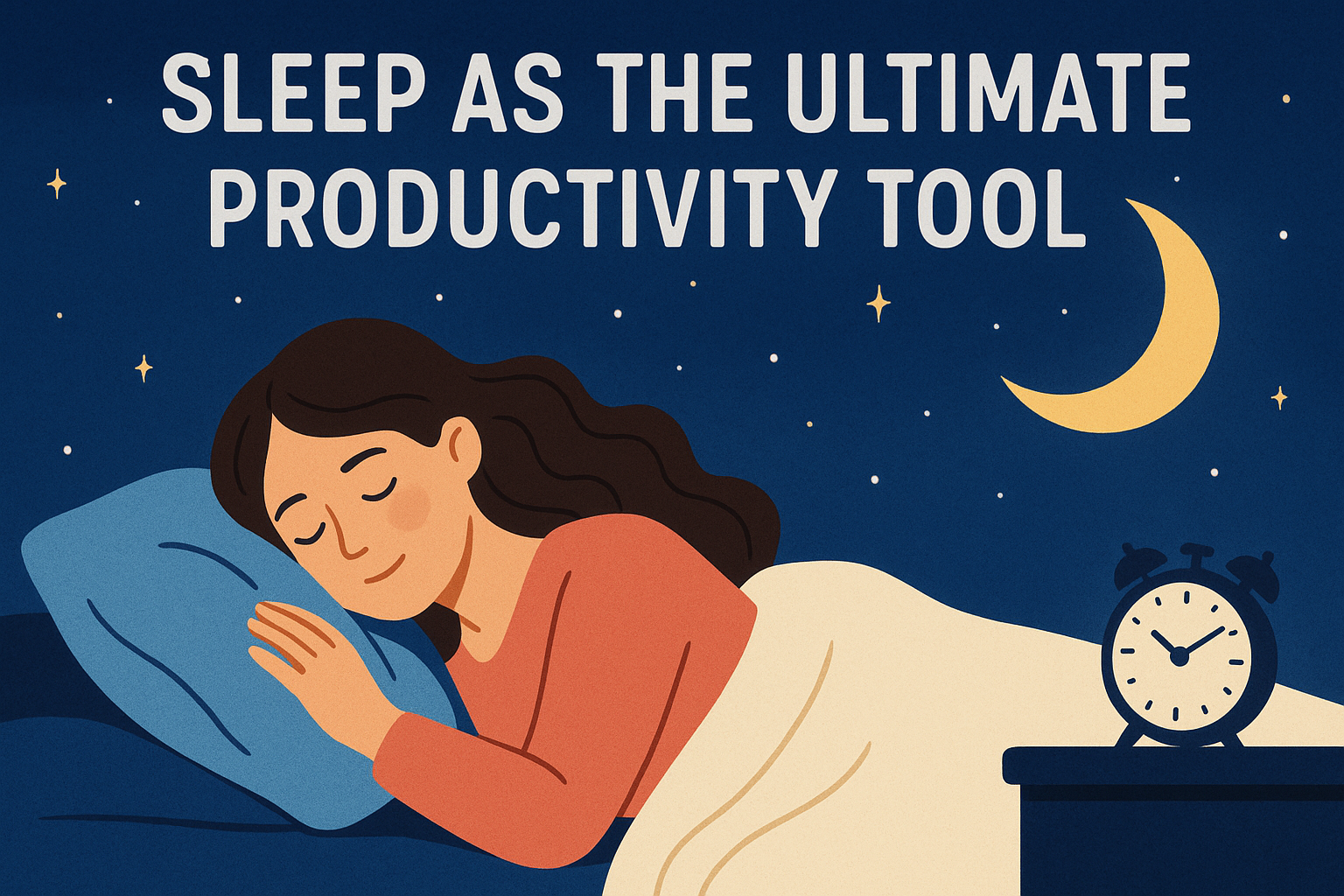
Sleep as the Ultimate Productivity Tool
We frequently pursue productivity by working extra hours, going through an infinite to-do list, and drinking caffeinated beverages late into the night — while common sense tells us we neglect the simplest, yet most powerful resource our body naturally has: sleep. Real focus, creativity, and emotional balance don’t come to us by doing more, but rather by resting better. Sleep should not be viewed as a break from progress, it is the basis of it. When we realize that rest is essential not optional, everything else shifts.
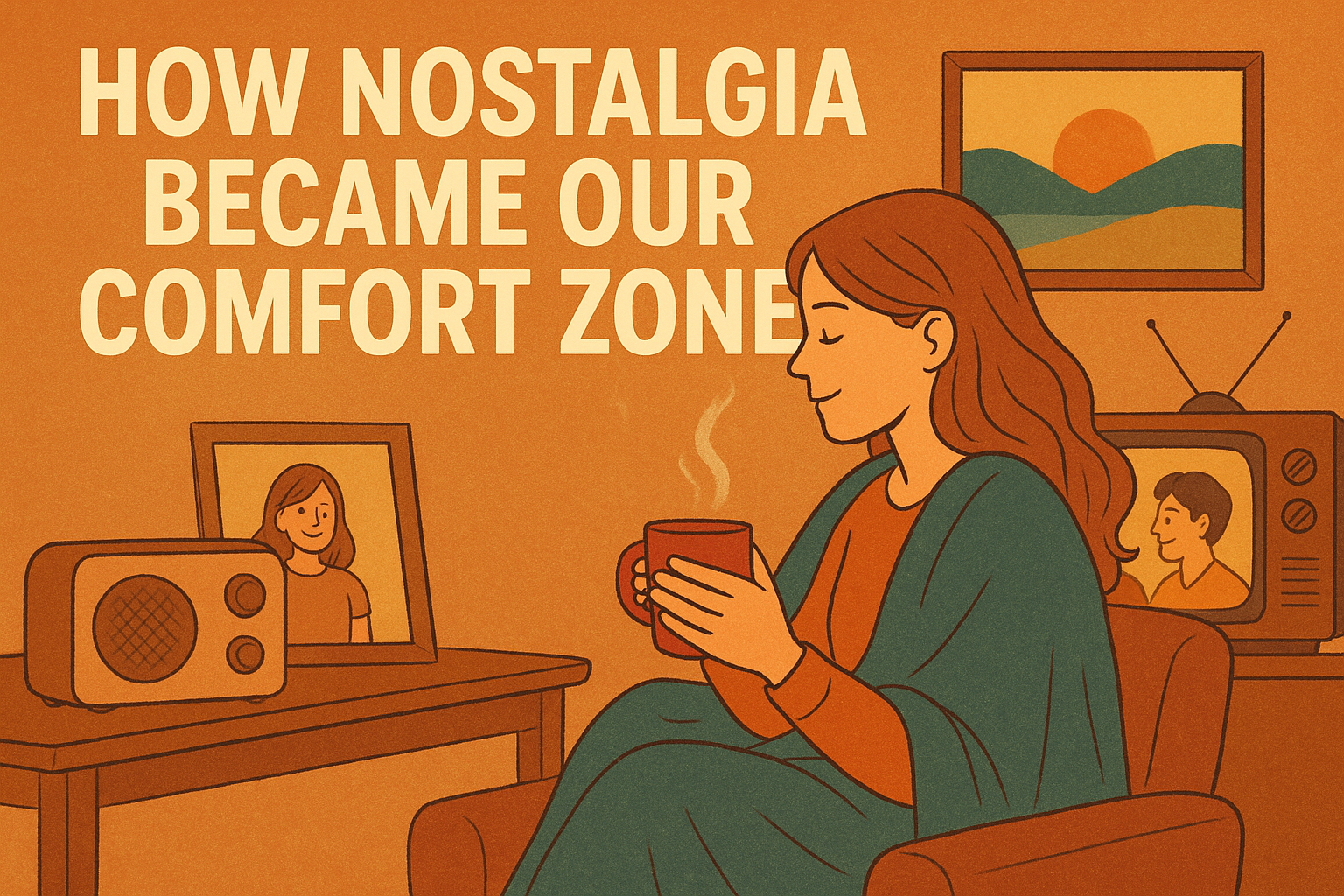
How Nostalgia Became Our Comfort Zone
There’s something magical about the past — the songs we grew up with, the shows we loved, the places that still feel like home in our memories. In a world that’s constantly changing, nostalgia offers a quiet escape, wrapping us in a sense of warmth and familiarity. It’s where we go when life feels too fast, too uncertain, or just a little too heavy. But as comforting as it is, living in the past can sometimes hold us back from fully embracing the present.