
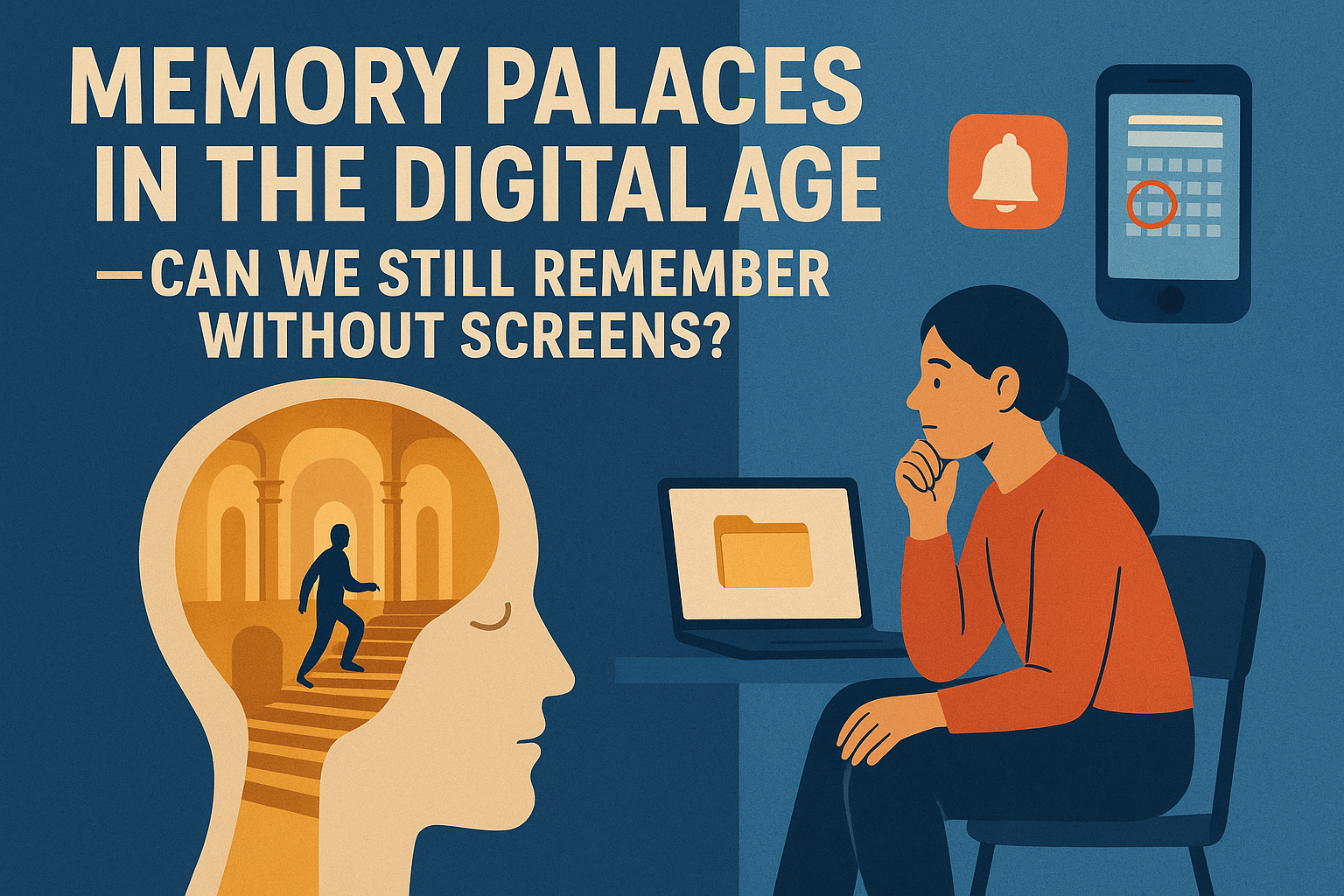
In a world where our memories inhabit more in cloud drives than in our own minds, remembering is often overlooked as an art form. The “memory palaces” favored by philosophers and poets encouraged people to commit things to memory using imagination rather than pixels. Nowadays, we use screens to remember for us — birthdays, passwords, grocery lists and many more. This blog investigates whether we have really forgotten how to appreciate remembering the way we used to experience, and whether we can stop relying on digital tools and retrain our mind to hold only what matters.
The Echo of Unsent Messages — What Happens to the Words We Never Say
At times, the strongest things we will ever say are the things we don’t say at all. We think it, we create it in writing, we erase it, or we simply leave it as a draft – half a feeling hanging out there in the digital ether. These unsent messages are bits of ourselves in the moments when we are feeling thoughts of honesty, hesitation, or heartbreak. They remind us that silence actually has its own story – something that hums softly underneath everything we think we are saying or creating.

How Creative Rest Became the New Competitive Edge
In a culture of nonstop hustling, “creative rest” has started to become the new productivity hack. It’s not about doing nothing – it’s about refueling your mind in ways that spark clarity and creativity. More and more people are discovering that burnout destroys innovation faster than anything else, even failure. Creative rest is now the secret weapon for anyone looking to think more deeply, perform better, and remain inspired longer.
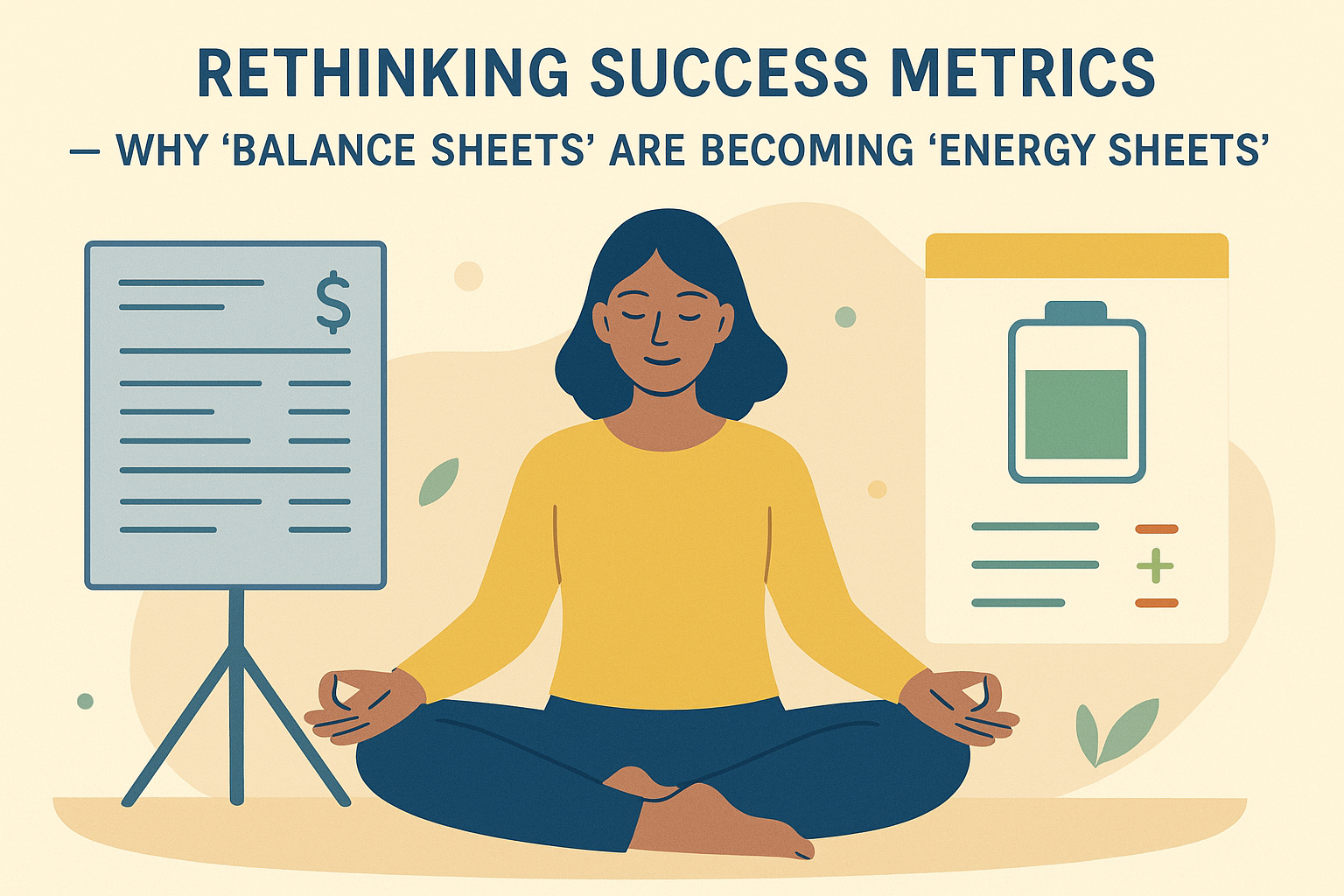
Rethinking Success — Why “Balance Sheets” Are Becoming “Energy Sheets”
For many years people identified success based on figures — bank account balances, official titles, or the number of items on our to-do list. But recently, there have been rising numbers of people asking a deeper question: What is it costing my energy? The truth is, we are not just running a business or a career; we are also running ourself. “Energy sheets” are becoming the new “balance sheets”, where how alive, how rested, and how inspired we feel matters as much as profit or progress. This is a subtle, but impactful shift towards redefining successfulness.
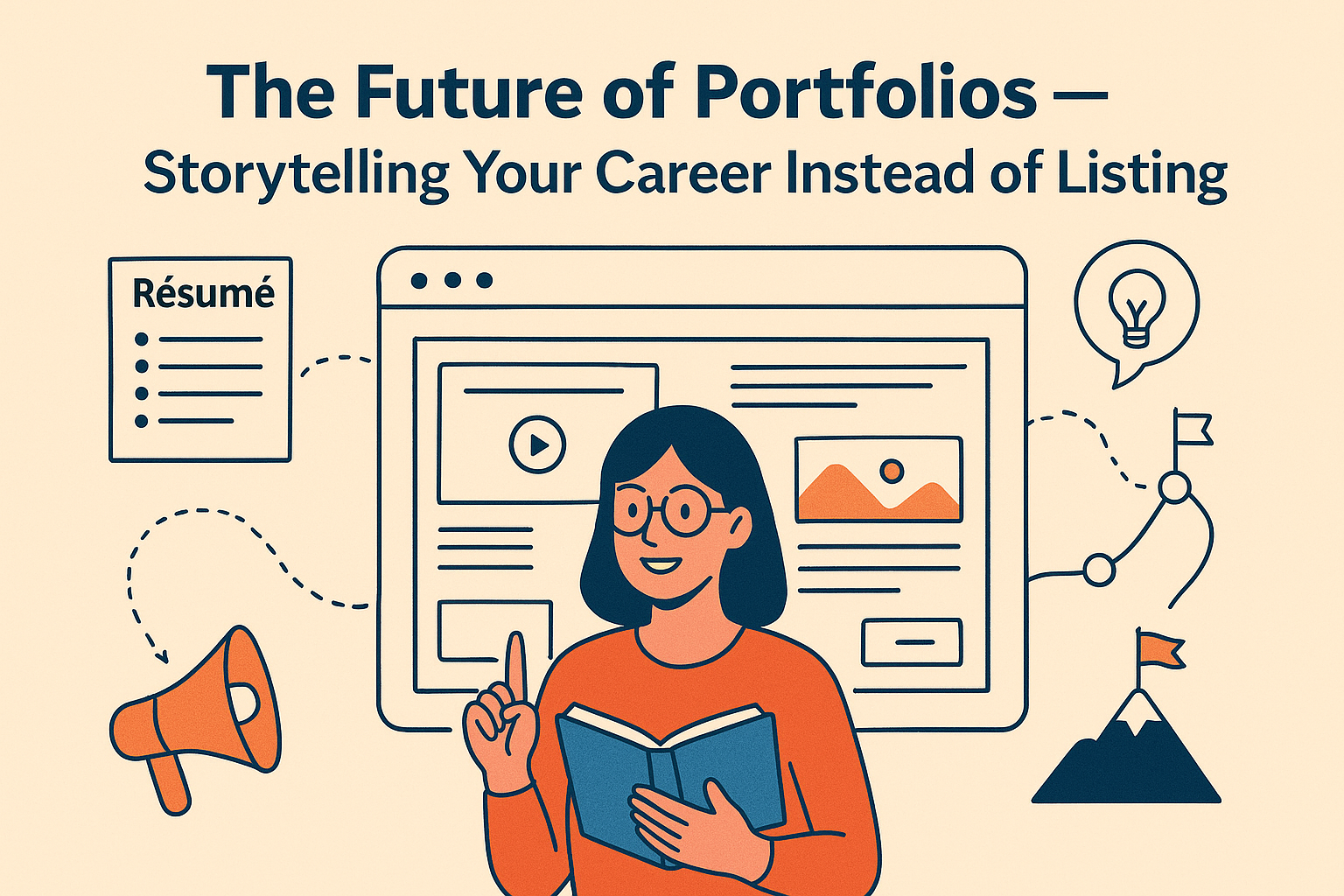
The Future of Portfolios — Storytelling Your Career Instead of Listing It
The era is over when a portfolio was merely a compilation of work samples with a few bullet points. The audience expects to experience your journey, not just read about it. The contemporary portfolio has been transformed into an experience in storytelling-communicating the ideas, challenges, and evolution that support your work. It is less about laundry-list accomplishments and more about unveiling the human beyond the skills. The times have changed; how you tell the story can be just as important as the story itself.
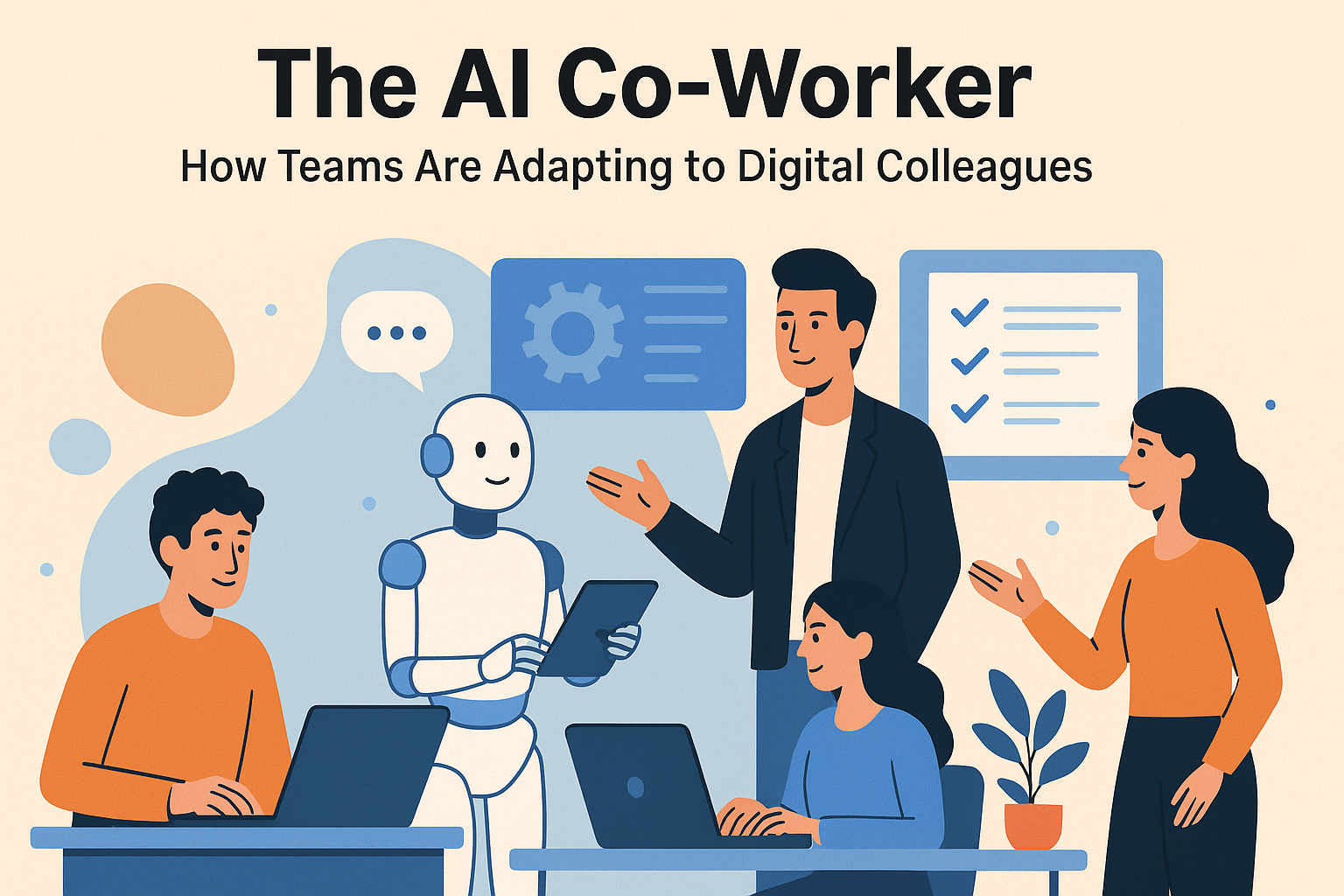
The AI Co-Worker — How Teams Are Adapting to Digital Colleagues
Workplaces are evolving quickly – and rather than just being a tool, AI is becoming a colleague. From virtual assistants that attend meetings alongside you to AI platforms that manage your projects, digital colleagues are slowly transforming our work lives. Teams are learning to collaborate, communicate, and even build trust with their new colleagues. It is a thrilling, and sometimes unnerving, transformation of our work lives – one that will redefine what teamwork means in the modern, AI-fueled workplace.
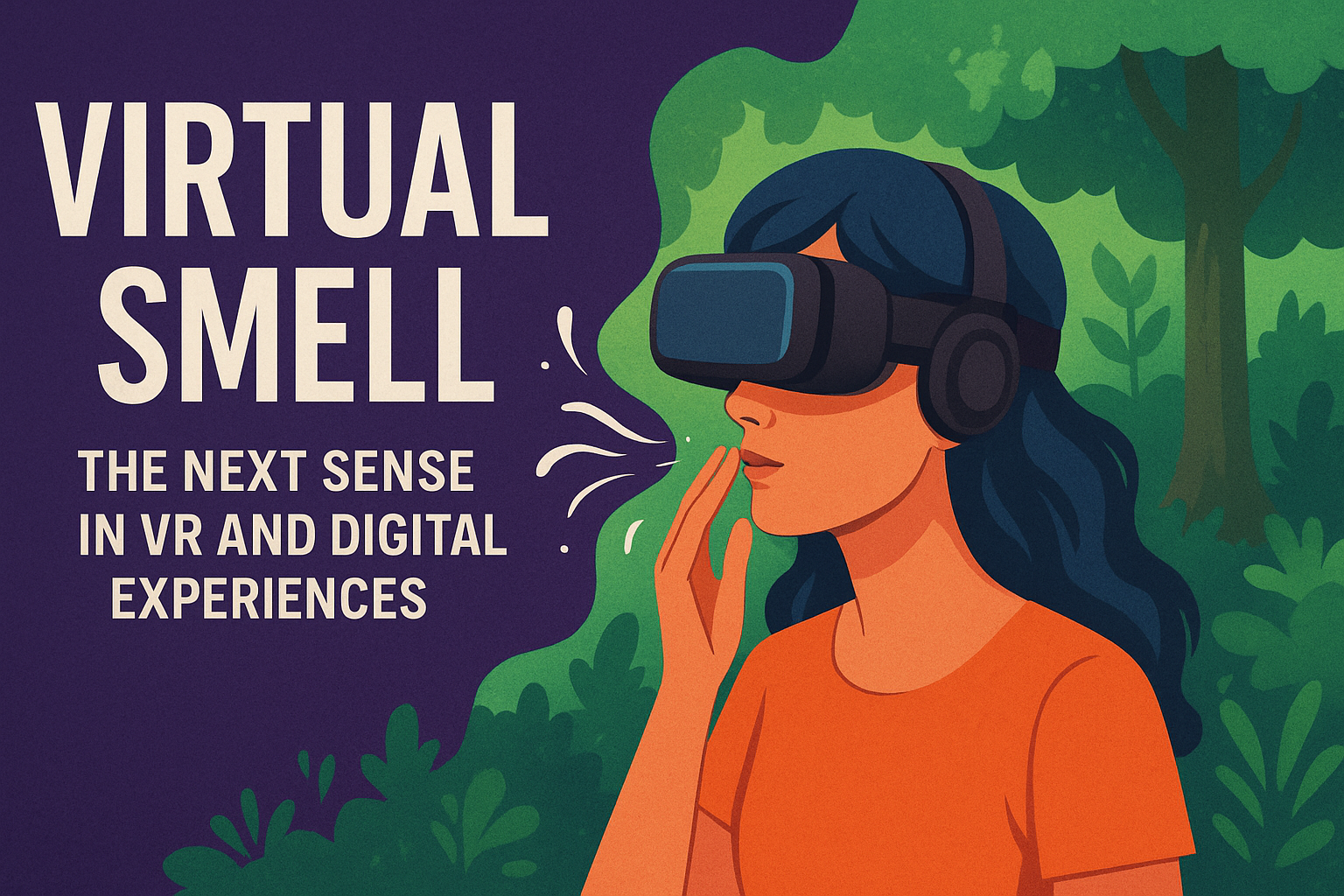
Virtual Smell — The Next Sense in VR and Digital Experiences
For years, VR has dazzled us with sights and sounds — but something has always been missing: the power of smell. Imagine walking through a digital forest and actually sensing pine trees, or feeling nostalgia triggered by a familiar fragrance in a virtual memory space. Virtual smell is no longer science fiction; it’s quietly becoming the next big leap in immersive tech. Here’s how scent is reshaping the way we experience digital worlds.
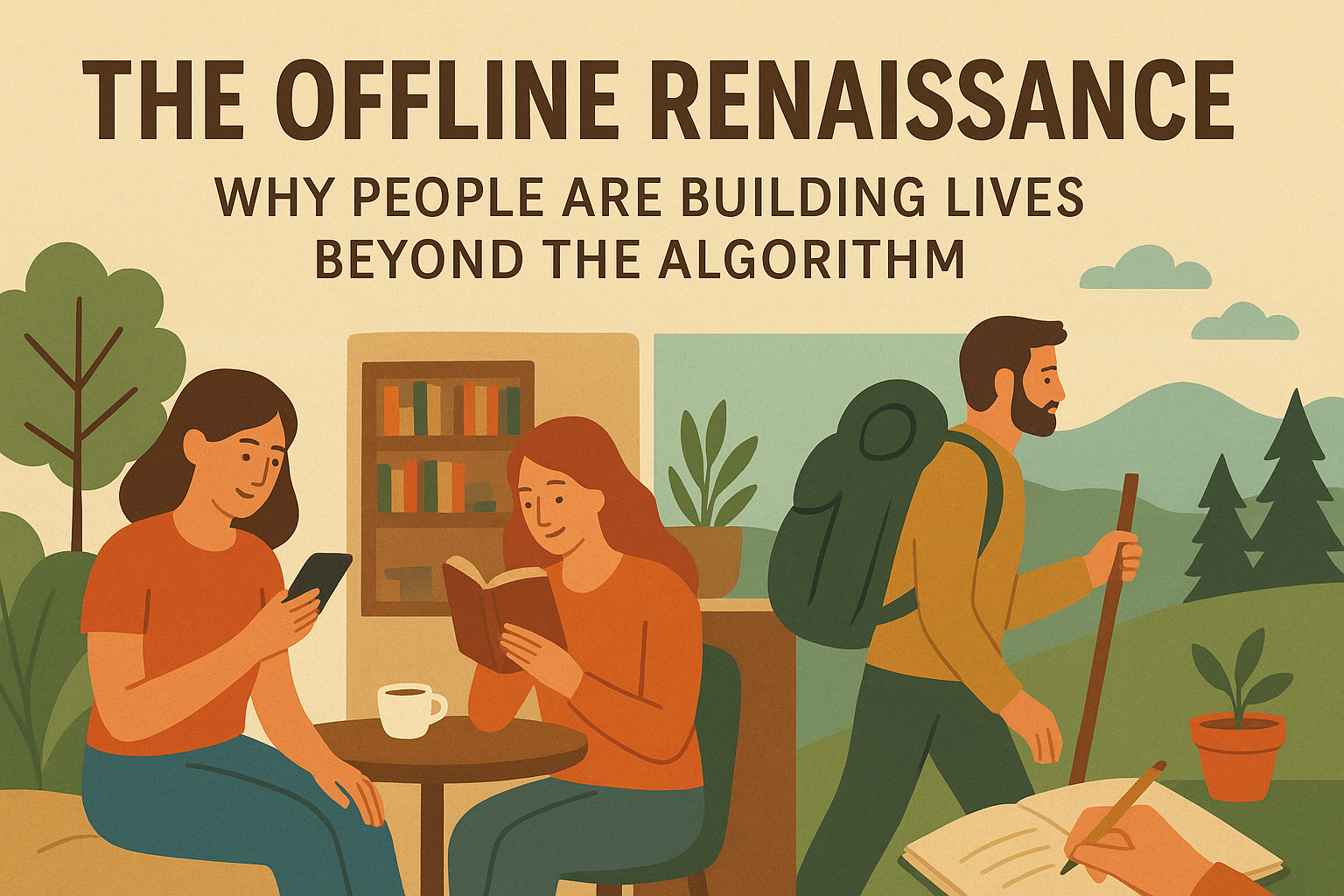
The Offline Renaissance — How People Are Reclaiming Life Beyond Algorithms
Today, we live in world where everything has been filtered, optimized, and structured by algorithms—and increasingly, people are craving realness. The “Offline Renaissance” refers to the return to a life not centered on incessant notifications and curated lives. Whether reacquainting ourselves with old hobbies or simply spending time in nature at a slower pace, we are re-learning to enjoy an unfiltered world. It is a movement that has emerged quietly reminding us that the best times are the ones in which we looked up and away from our gadgets.
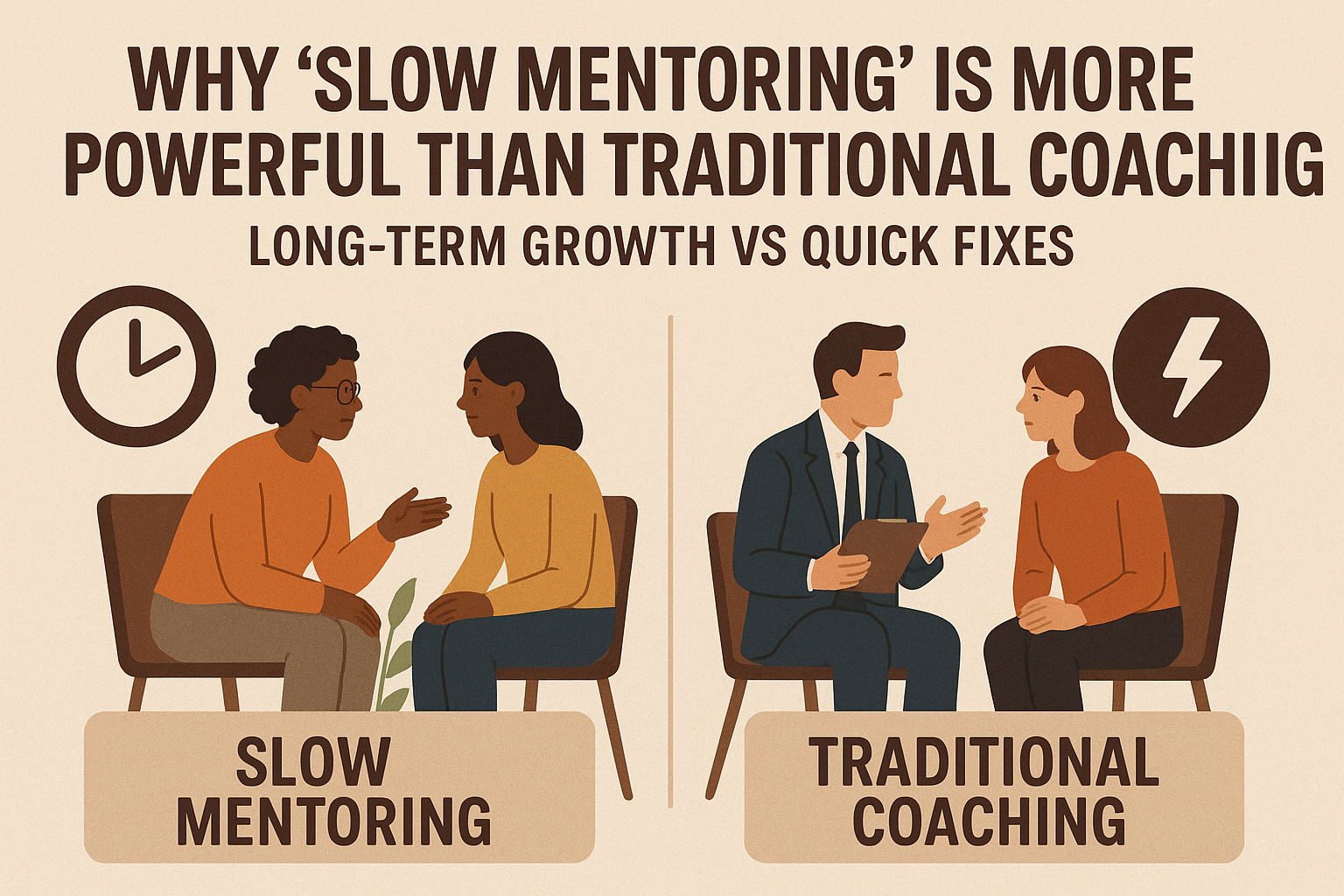
Why “Slow Mentoring” Is More Powerful Than Traditional Coaching — Long-Term Growth vs Quick Fixes
In a culture craving instant gratification and rapid results, it is somewhat of a radical concept to embrace “slow mentoring”—which is about developing sincere, deep-rooted relationships that foster intentional and meaningful growth through patience. Slow mentoring is not about optimizing productivity or building short-term motivation; on the contrary, it is the means by which people and managers can invest in developing talent over time in an organic way. In an organizational context, slow mentoring is not solely about fixing the issue at hand; rather, slow mentoring is about gradually evolving the person over time. It is the type of guidance that creates not just what we do—rather, it evolves who we become.
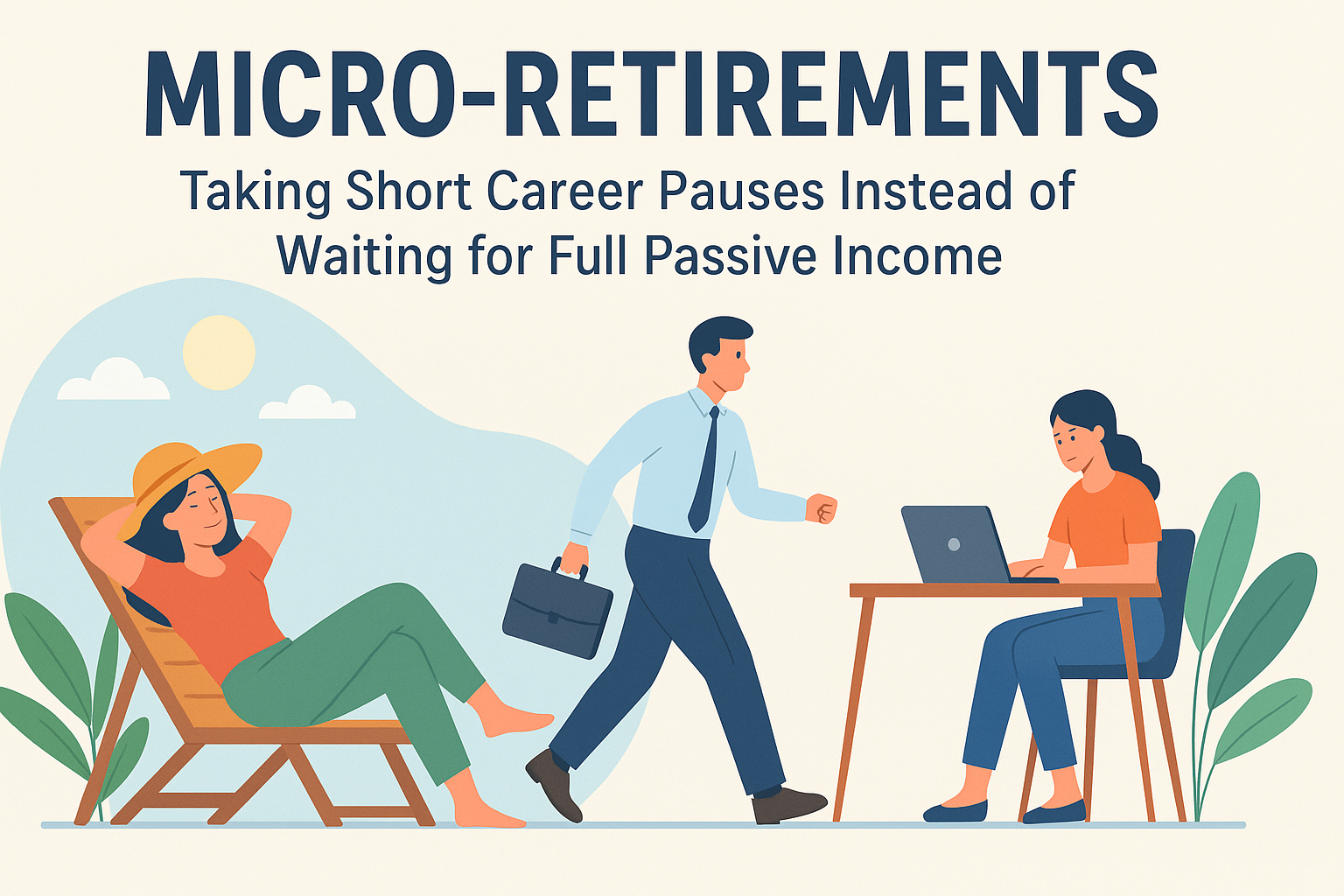
Micro-Retirements: Taking Short Career Pauses Instead of Waiting for Full Passive Income
Many of us have been told to give it your fifty years of work and retire later but what if “later” never comes? Micro-retirements turn this idea on its head and challenge us to take short meaningful breaks over the course of our careers rather than wait for one large retirement at the end. These breaks are not about abandoning ambition, but they do allow you to refuel your ambition. It might be about planning a different kind of vacation, learning something new, or even simply resting without guilt, micro-retirements are intended for people to live intentionally while in the middle of life, not just at the end.