
January Sees Record Surge in Cardiac Emergencies Across Gujarat Amid Winter Chill
Introduction
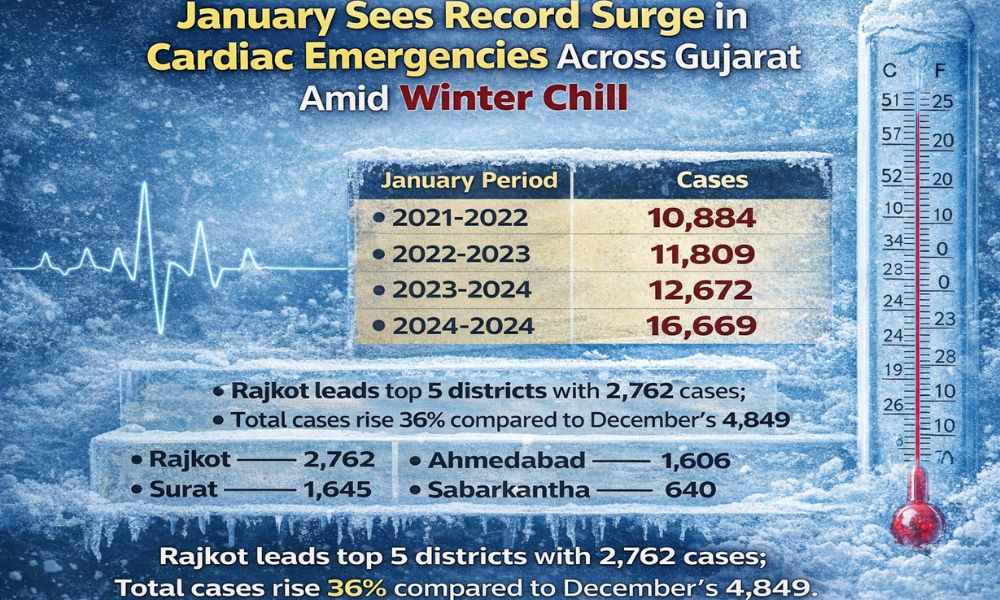
January has emerged as one of the most critical months for heart health in Gujarat, with hospitals and emergency services across the state reporting a sharp surge in cardiac emergencies. As winter chill tightens its grip, doctors warn that cold weather, combined with lifestyle factors and pre-existing health conditions, significantly increases the risk of heart-related complications. The trend has raised serious concerns among healthcare professionals and policymakers, highlighting the urgent need for greater awareness and preventive measures.
A Concerning Seasonal Pattern
Every year, Gujarat witnesses a noticeable rise in cardiac emergency cases during the winter months, particularly in January. Emergency medical services, including the 108-ambulance network, report a spike in calls related to chest pain, breathlessness, sudden collapse, and suspected heart attacks. Compared to warmer months, January consistently records higher hospital admissions linked to cardiovascular problems.
Medical experts point out that while heart disease remains a year-round issue, winter acts as a trigger that aggravates underlying conditions. The cold weather does not cause heart disease on its own, but it creates circumstances that place additional strain on the heart, pushing vulnerable individuals into medical emergencies.
Why Winter Poses a Higher Risk to the Heart
Cold temperatures have a direct physiological impact on the human body. When exposed to cold, blood vessels constrict to preserve body heat. This narrowing of blood vessels increases blood pressure and forces the heart to work harder to pump blood. For individuals with blocked arteries, high blood pressure, or weakened heart muscles, this extra strain can be dangerous.
Another factor is increased blood thickness during colder months. Lower temperatures can make blood more viscous, increasing the likelihood of clot formation. Blood clots can block arteries supplying the heart, leading to heart attacks or other serious cardiac events.
In addition, winter often brings changes in daily routines. Physical activity levels drop as people avoid early morning walks or outdoor exercise due to the cold. At the same time, dietary habits shift toward heavier, calorie-rich foods. These lifestyle changes contribute to weight gain, poor cholesterol control, and elevated blood sugar levels all of which increase cardiovascular risk.
January: The Peak of Winter Stress
January is typically the coldest month in Gujarat, especially during early mornings and late nights. Prolonged exposure to low temperatures over several weeks leads to sustained stress on the cardiovascular system. Doctors note that repeated cold exposure can gradually elevate blood pressure and worsen existing heart conditions.
The month also coincides with an increase in respiratory infections such as flu and seasonal viral illnesses. These infections can trigger inflammation in the body, which may destabilize fatty plaques in arteries. When such plaques rupture, they can block blood flow to the heart, resulting in sudden cardiac events.
Festive indulgence during the previous months, combined with reduced discipline in diet and exercise, further compounds the risk by the time January arrives. For many individuals, especially those with undiagnosed conditions, this combination proves dangerous.
Impact Across Age Groups
Traditionally, heart attacks were associated mainly with older adults. However, doctors in Gujarat are increasingly seeing younger patients including people in their 30s and 40s reporting cardiac emergencies during winter. Sedentary lifestyles, work-related stress, smoking, irregular eating habits, and rising cases of diabetes and hypertension among younger populations have expanded the risk base.
Elderly individuals remain the most vulnerable group, as their ability to regulate body temperature is often reduced. Cold exposure can quickly elevate blood pressure in older adults, increasing the likelihood of heart failure or stroke. Those living alone or lacking adequate heating arrangements face an even higher risk.
Strain on Healthcare Systems
The January surge in cardiac emergencies places significant pressure on hospitals and emergency medical services. Emergency departments report higher patient inflow, longer waiting times, and increased demand for intensive care units and cardiac intervention facilities. Ambulance services often operate at full capacity, especially during early morning hours when most heart-related calls are received.
Doctors and nurses working in emergency and cardiology departments describe January as one of the most demanding months of the year. While healthcare systems in major cities are better equipped to handle the surge, smaller towns and rural areas often face challenges due to limited resources and delayed access to advanced cardiac care.
Recognizing Early Warning Signs
One of the major challenges in reducing winter-related cardiac deaths is delayed response. Many people ignore early symptoms or mistake them for acidity, muscle pain, or fatigue caused by cold weather. This delay in seeking medical help can prove fatal.
Common warning signs of cardiac emergencies include persistent chest pain or pressure, discomfort spreading to the arms, neck, jaw, or back, sudden shortness of breath, dizziness, nausea, and cold sweats. Doctors stress that any such symptoms should be treated as a medical emergency, regardless of age or perceived fitness level.
Preventive Measures: What Can Be Done
Preventing the January spike in cardiac emergencies requires a combination of personal responsibility and public health initiatives.
At an individual level, staying warm is essential. Wearing layered clothing, avoiding prolonged exposure to cold, and maintaining a warm indoor environment can reduce cardiovascular stress. Regular monitoring of blood pressure, blood sugar, and cholesterol levels during winter months is strongly recommended, particularly for those with known health conditions.
Maintaining physical activity is equally important. While outdoor exercise may be uncomfortable, indoor workouts, yoga, or simple stretching routines can help keep the heart healthy. A balanced diet that avoids excessive salt, sugar, and saturated fats can also play a crucial role in reducing winter-related risks.
From a public health perspective, awareness campaigns focusing on winter heart health can make a significant difference. Educating people about the link between cold weather and heart risk, promoting early symptom recognition, and encouraging timely medical intervention can save lives.
Looking Ahead
The record surge in cardiac emergencies seen in January across Gujarat serves as a wake-up call. As climate patterns shift and lifestyle-related diseases continue to rise, winter-related health risks may become even more pronounced in the future.
Addressing this challenge requires long-term strategies focused on preventive healthcare, early diagnosis, and lifestyle modification. Strengthening emergency response systems, improving access to cardiac care in rural areas, and promoting regular health check-ups can help reduce the seasonal burden on the healthcare system.
Conclusion
January’s rise in cardiac emergencies across Gujarat underscores the silent but serious impact of winter on heart health. Cold weather, combined with lifestyle habits and underlying medical conditions, creates a high-risk environment for cardiac events. While the trend is concerning, it is not unavoidable. With greater awareness, timely medical care, and proactive lifestyle choices, many winter-related hearts emergencies can be prevented. As Gujarat moves forward, prioritizing heart health during the winter months could save countless lives and reduce the seasonal strain on healthcare services.